

For most seniors, staying in their own home is about more than comfort. It’s about identity, routine, and holding on to the independence they’ve worked a lifetime to build. The good news is that needing a little help doesn’t mean giving that independence up. In fact, the right in-home care can help seniors stay independent longer, safer, and happier.
In this guide, we’ll explain exactly how in-home care supports independence, what it looks like day to day, and why so many families across Metro Detroit choose this option over moving a loved one out of their home.
What “Independence” Really Means for Aging Adults
Independence doesn’t mean doing everything alone. It means having control over your own schedule, choices, and environment. A senior who receives help with bathing, meals, or transportation while still deciding what to eat, when to nap, and how to spend their day is still living independently, just with support in the background.
In-home care is built around this idea. Instead of moving a senior into a facility with a fixed schedule, a caregiver comes to them, adapting to their routine rather than the other way around.
Everyday Support That Keeps Seniors Safe and Confident
Help With Daily Activities
Simple tasks like bathing, dressing, grooming, and using the bathroom can become more difficult with age, arthritis, or balance issues. A caregiver provides hands-on assistance in a respectful, dignified way, reducing the risk of falls while helping seniors feel clean, comfortable, and confident.

Nutritious Meals and Grocery Support
Cooking for one, standing for long periods, or remembering to eat balanced meals can be a real challenge. Caregivers can plan and prepare meals, assist with grocery shopping, and encourage healthy eating habits, which directly supports energy levels and overall health.
Mobility and Exercise Support
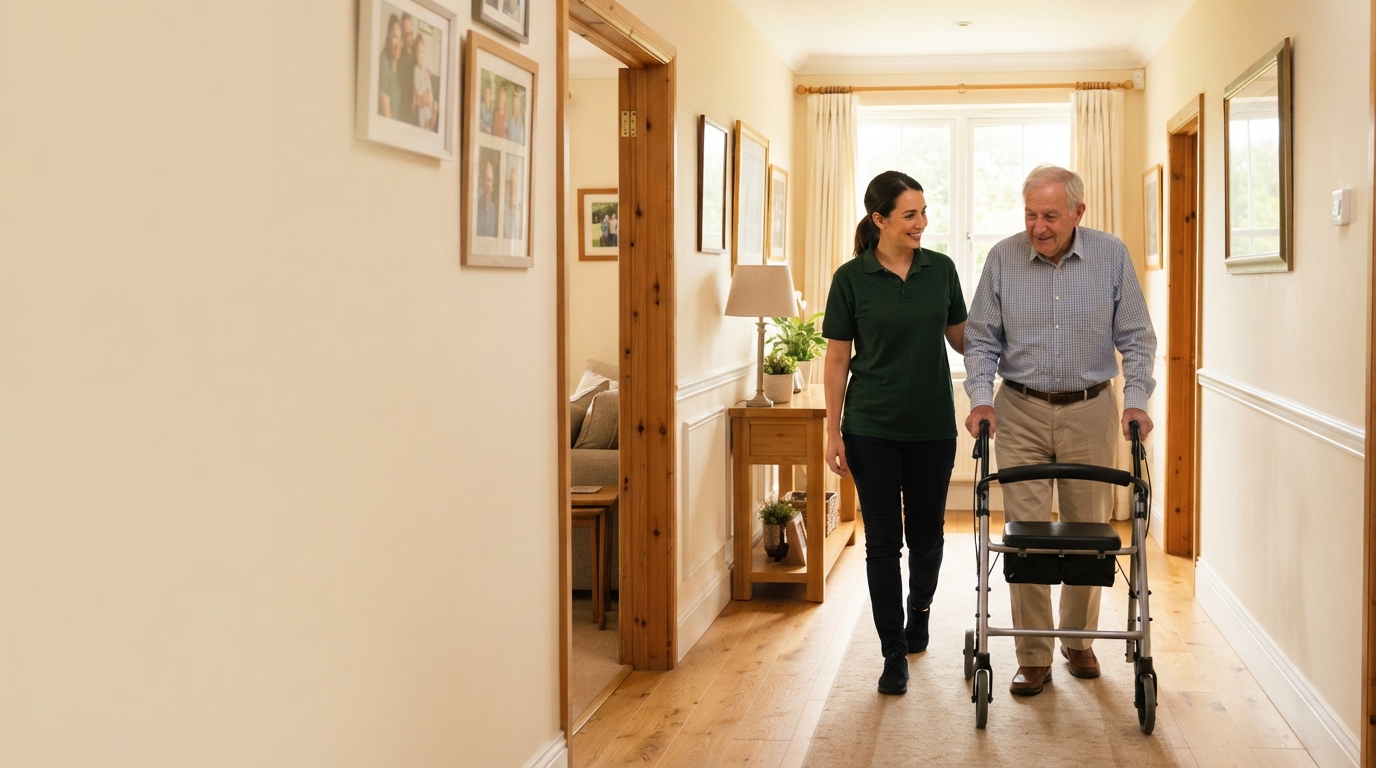
Staying active is one of the most important ways seniors preserve their independence. Caregivers can assist with light stretching, walking around the house or neighborhood, and safe transfers from bed to chair, helping reduce stiffness and lower fall risk over time.
Staying Connected to Family and the Outside World
Transportation to Appointments and Errands
Losing the ability to drive is one of the hardest parts of aging for many seniors. In-home caregivers can provide transportation to medical appointments, the pharmacy, or a favorite restaurant, so seniors don’t have to give up the outings that matter to them.
Staying in Touch With Loved Ones
Technology can be intimidating for many older adults. Caregivers can help set up and use video calls, so seniors can see grandchildren, join family gatherings virtually, and feel connected even when family lives far away.

Companionship That Fights Loneliness
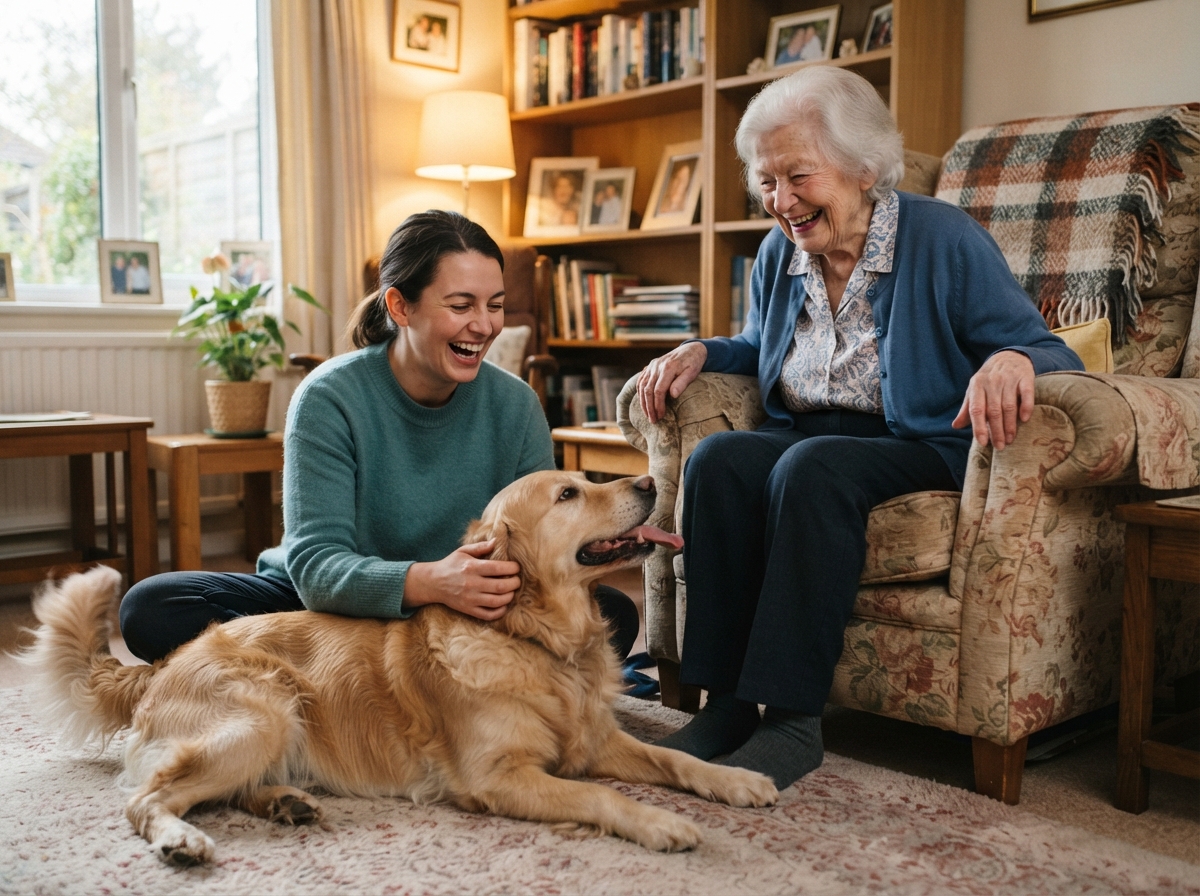
Isolation is one of the biggest hidden risks for aging adults. A caregiver isn’t just there for tasks. They provide real conversation, shared activities, and friendly companionship, which supports mental health and emotional well-being just as much as physical care does.
Why In-Home Care Works Better Than Many Families Expect
Many families worry that bringing in a caregiver means losing control or privacy. In reality, care plans are built around the senior’s preferences, not the other way around. Whether it’s a few hours a week for errands and companionship, or full daily support, the schedule flexes to match real life.
This flexibility is one of the biggest reasons families across the Detroit Metro Area, Oakland, Wayne, Macomb, Kent, and Jackson counties choose in-home care over assisted living. Seniors get to stay in the home filled with memories, familiar neighbors, and a routine they know, while still getting the help they need.
Independence Looks Different for Every Family
There’s no single formula for what independent living should look like. For one senior, it might mean living completely alone with a caregiver stopping by twice a week. For another, it might mean living with an adult child but still wanting privacy and their own decision-making power during the day. The best care plans are flexible enough to reflect these differences rather than forcing every family into the same routine.
A good caregiver pays close attention to these preferences early on, learning what matters most, whether that’s sticking to a favorite morning routine, having quiet time to read, or keeping a certain level of privacy during personal care tasks.
Supporting Independence Without Sacrificing Safety
One of the most common worries families have is that safety and independence work against each other. In practice, the opposite is often true. A senior who has support with bathing, walking, and meal prep is actually less likely to fall, become malnourished, or miss critical medications, all of which are common reasons independence is lost in the first place.
In this way, in-home care doesn’t take independence away. It protects it, by reducing the everyday risks that could otherwise force a sudden, unwanted move to a care facility.
Getting Started With an Independence-Focused Care Plan
If you’re ready to explore in-home care, the first step is usually a free consultation. A care coordinator will talk with your family about your loved one’s goals, routines, and any concerns, then recommend a starting schedule that supports both safety and independence. From there, the plan can always be adjusted as circumstances change.
Choosing a Caregiver Who Fits Your Loved One’s Personality
Independence is closely tied to comfort, and comfort often comes down to the relationship between a senior and their caregiver. A quiet, book-loving retiree may thrive with a calm, soft-spoken caregiver who enjoys reading together, while a more social, outgoing senior might connect better with someone chatty and energetic who loves getting out of the house.
Reputable home care agencies take this matching process seriously, often offering a meet-and-greet before care begins and adjusting the match if the personalities don’t click right away. Getting this right isn’t just a nice extra. It’s often the difference between a senior who tolerates care and one who genuinely looks forward to their caregiver’s visits.
Supporting Senior Independence With the Right Caregiver Support
True senior independence is easier to protect when a family has reliable caregiver support in place before a crisis hits. Waiting until after a fall or hospital stay often means making rushed decisions under stress. Building a relationship with a trusted caregiver ahead of time gives your loved one a familiar face and a steady routine, which makes independence far easier to sustain long term.
Aging in Place: Why It Matters So Much to Seniors
Aging in place simply means growing older in your own home rather than moving to a facility, and for most seniors, it’s the clear preference. Studies consistently show that the vast majority of older adults want to remain in their own homes for as long as possible, surrounded by familiar rooms, neighbors, and routines that took a lifetime to build.
In-home care is the practical tool that makes aging in place possible, even as health needs increase. Instead of forcing a move once daily tasks become harder, families can layer in exactly the right amount of support, from a few hours of help each week to full daily care, so a senior’s home stays a safe, comfortable option rather than a growing risk.
Finding Trusted Home Care Detroit Families Recommend
Families searching for reliable home care Detroit providers want more than just an available caregiver. They want a provider who understands the local community, responds quickly when plans change, and treats their loved one like a person, not a task list. Local, Michigan-based agencies are often better positioned to make quick caregiver substitutions, coordinate with nearby hospitals and clinics, and build long-term relationships with the families they serve across the region.
Frequently Asked Questions
Will in-home care make my parent feel like they’re losing control?
No. In-home care is designed around the senior’s preferences and schedule. Caregivers support daily life rather than take it over, which helps seniors feel more confident, not less.
Can in-home care be adjusted as needs change?
Yes. Care plans can start small, such as a few hours a week, and increase over time as needs change. This flexibility is one of the biggest advantages of in-home care.
Does in-home care help with mental and emotional health, not just physical needs?
Absolutely. Companionship, conversation, and shared activities are a core part of in-home care and can significantly reduce loneliness and improve mood.
How do I know if my loved one is ready for in-home care?
If you’ve noticed missed medications, mobility struggles, a messier home, or increased isolation, it’s worth scheduling a free assessment to talk through options.
What areas do you provide in-home care services in?
We proudly serve families throughout the Detroit Metro Area, Oakland, Wayne, Macomb, Kent, and Jackson counties.
Get Compassionate In-Home Care Today
At Pure Home Care Solutions, our motto is simple: Bringing Pure Comfort Home. Our caring, trained caregivers are ready to help your family create a safer, healthier, and happier daily life for your aging loved one.
Email: info@purehomecaresolutions.com
Service areas: Detroit Metro Area | Oakland | Wayne | Macomb | Kent | Jackson
Address: 2838 East Long Lake Rd Suite 246, Troy, MI 48085