
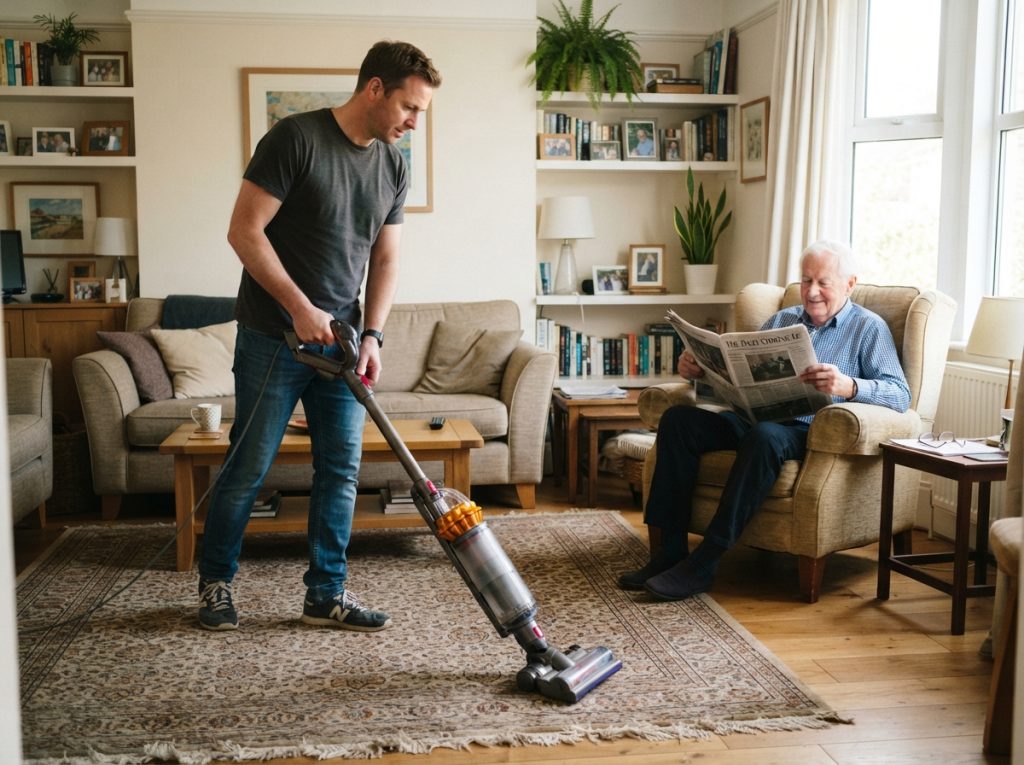
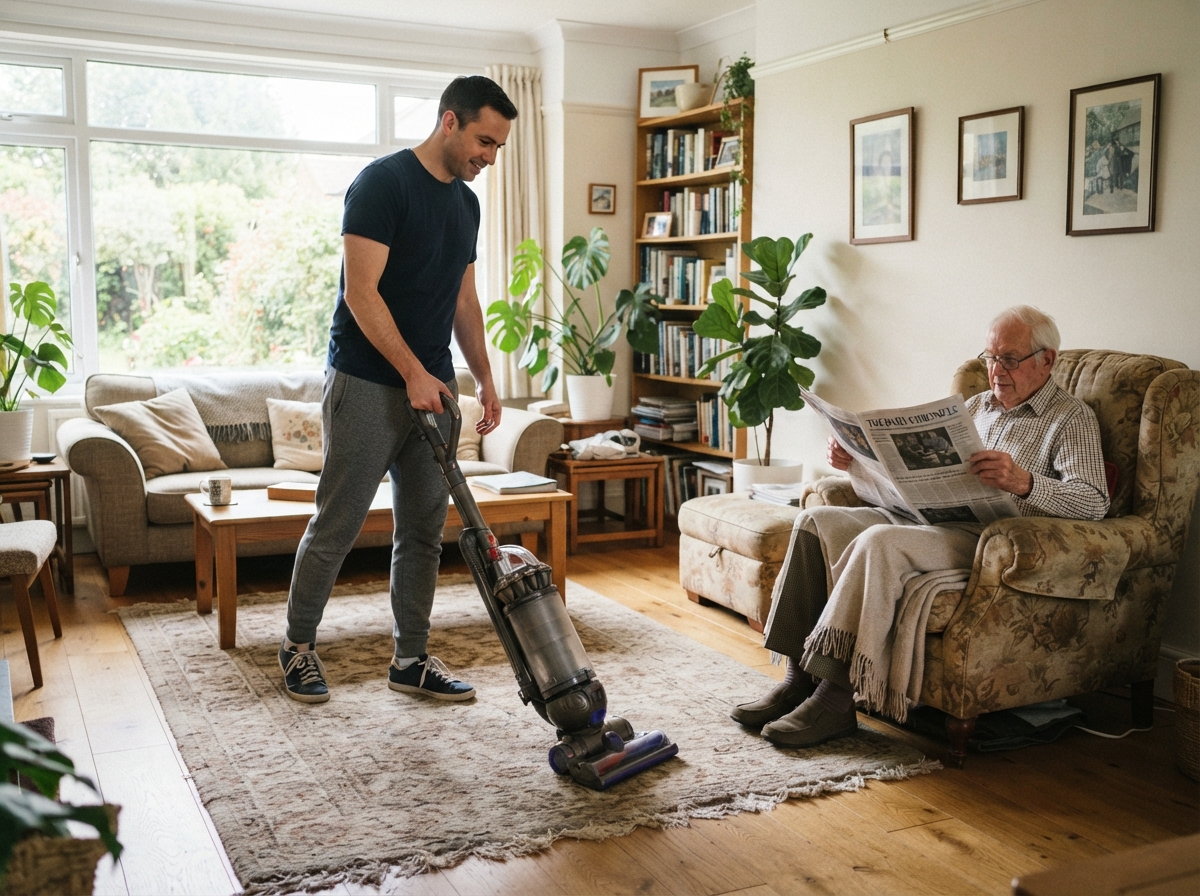
Most falls and injuries at home don’t happen because of one big hazard. They happen because of small, everyday things: a loose rug, poor lighting, or a slippery bathroom floor. The good news is that creating a safer home for an aging loved one doesn’t require a full renovation. With a few practical changes and the right support, you can make a real difference in preventing accidents and improving daily comfort.
Why Home Safety Matters So Much for Seniors
As we age, balance, vision, and reaction time naturally change, making falls more likely and more dangerous. A fall that might have been minor at 40 can lead to a serious injury, hospital stay, or loss of independence later in life. Taking a proactive approach to home safety helps reduce these risks before they become emergencies.
Many families don’t think about home safety until after an accident has already happened. Taking a proactive approach instead, before a fall or injury occurs, is one of the simplest ways to protect an aging loved one’s health, confidence, and independence for years to come.
Room-by-Room Safety Tips
Living Room and Common Areas
Remove loose rugs or secure them with non-slip backing. Keep walking paths clear of cords, furniture, and clutter. Make sure lighting is bright enough, especially near stairs and hallways, and consider a comfortable chair with sturdy armrests to make sitting and standing easier.
Bathroom Safety
Bathrooms are one of the most common places for falls. Install grab bars near the toilet and inside the shower, use a non-slip bath mat, and consider a shower chair for added stability. A raised toilet seat can also make daily use safer and more comfortable.
Bedroom Setup
Keep a clear path from the bed to the bathroom, ideally with a nightlight along the way. A bed at the right height makes it easier to get in and out safely, and keeping frequently used items like glasses, phones, and water within easy reach reduces unnecessary movement at night.
Kitchen Considerations
Store frequently used items at waist or shoulder height to avoid climbing or bending. Non-slip mats near the sink and stove help prevent slips, and good lighting over countertops makes food prep safer for aging eyes.
Beyond Physical Changes: Daily Safety Support
Help With Getting Around Safely
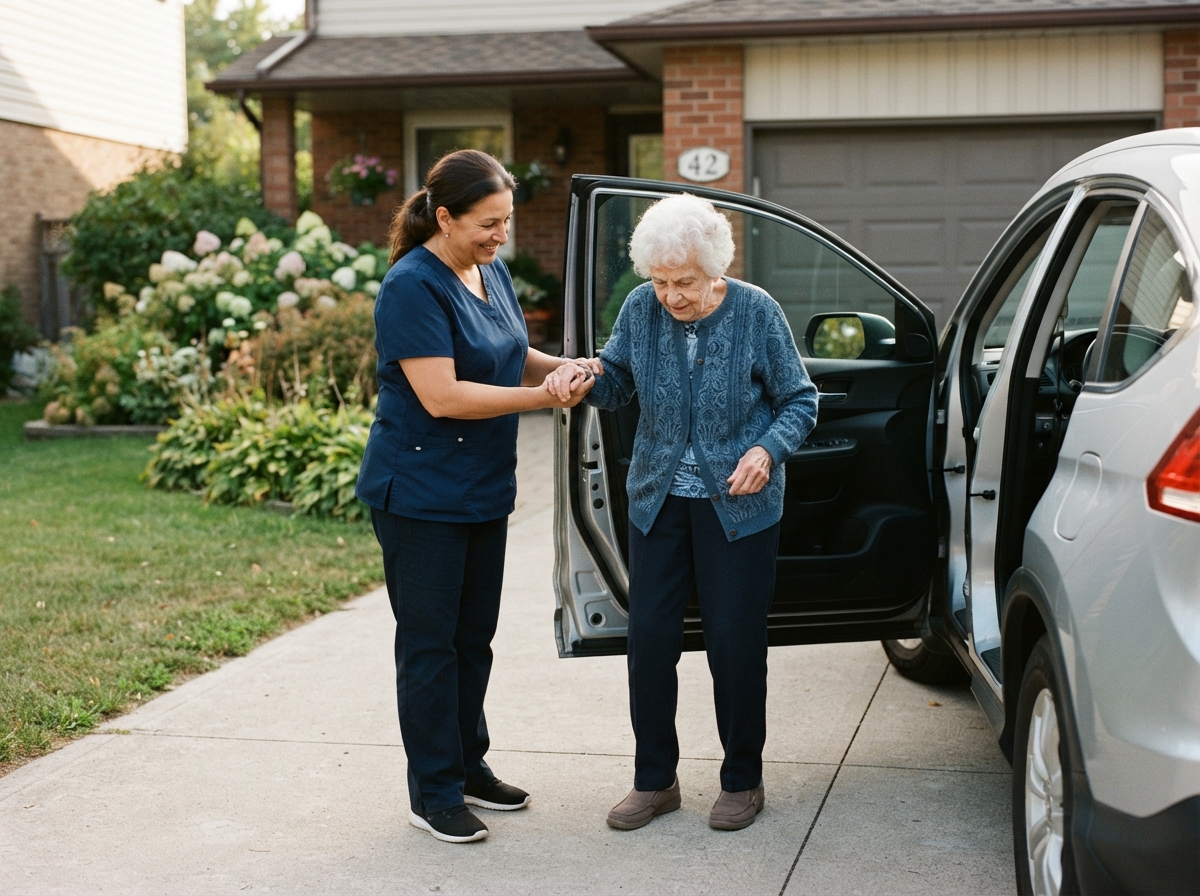
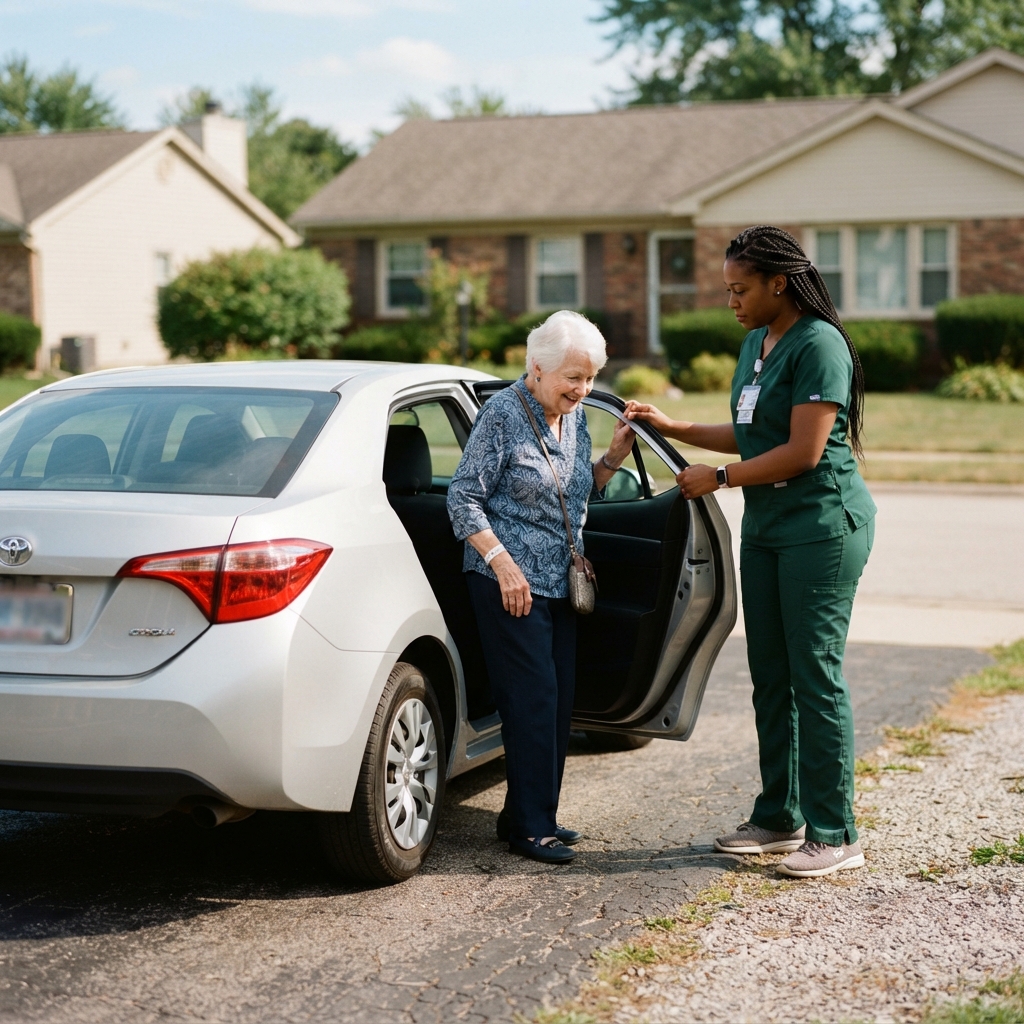
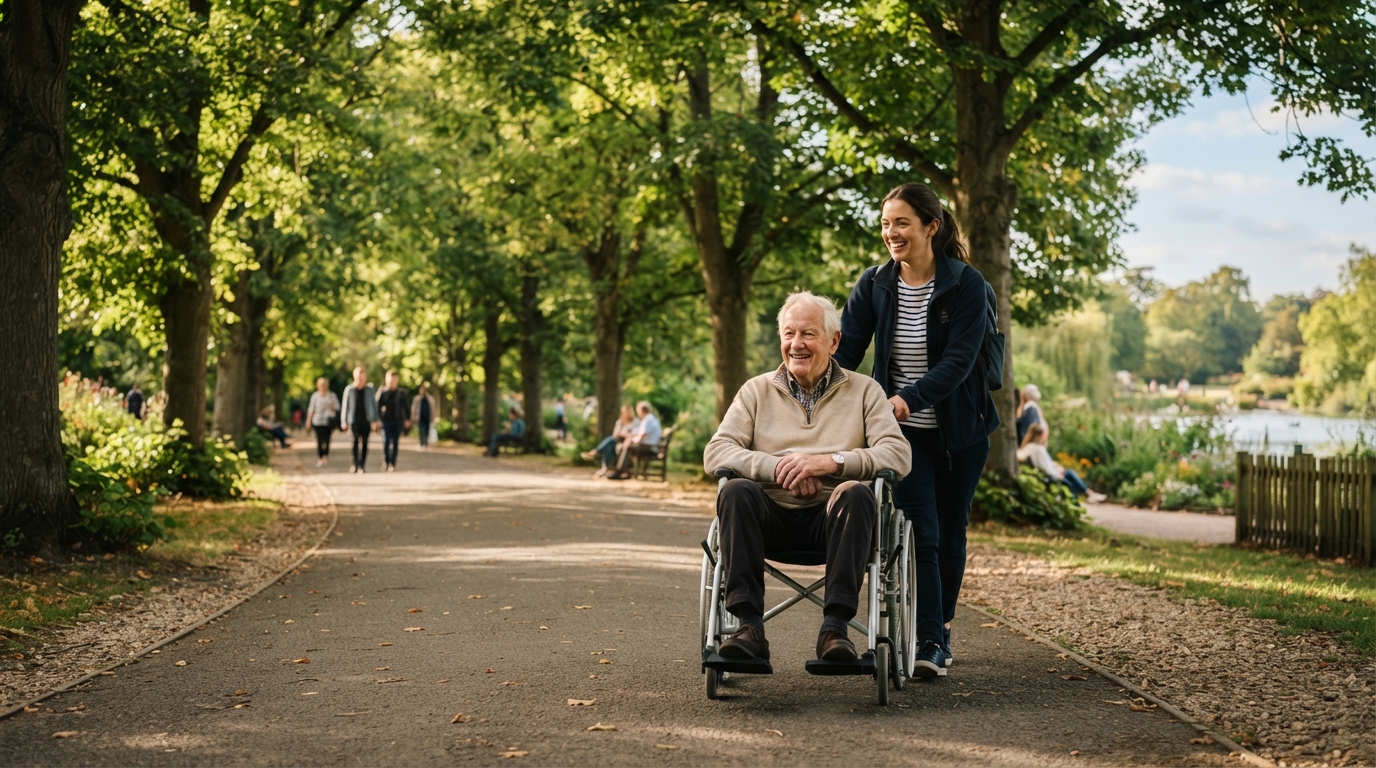
Sometimes the best safety improvement isn’t a home modification at all, it’s having someone there to help. Caregivers can assist with walking, transfers, and outdoor mobility, whether that’s moving safely through the house or getting to a doctor’s appointment.
Supervised Outdoor Time
Fresh air and time outdoors are important for both physical and mental health. A caregiver can provide safe supervision during walks, wheelchair outings, or time in the garden, so aging loved ones don’t have to give up the outdoor activities they enjoy.
Assistance With Dressing and Daily Routines
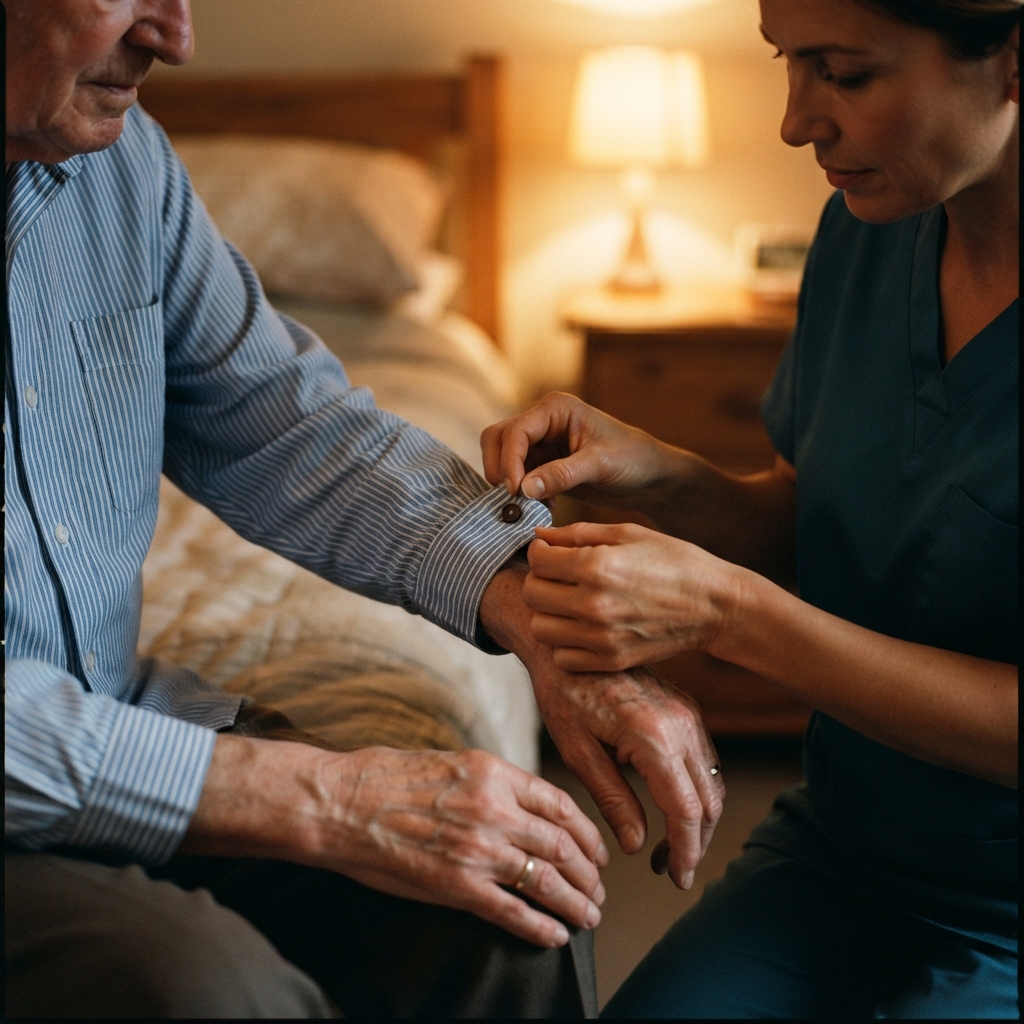
Balance issues can make simple tasks like putting on shoes or buttoning a shirt surprisingly risky. A caregiver can provide steady, patient assistance with dressing and grooming, reducing strain and preventing accidental falls during routine tasks.
Building a Long-Term Safety Plan
Home safety isn’t a one-time project. As needs change, so should your approach. Regular check-ins, either from family or a professional caregiver, help catch new risks early, whether that’s a new mobility challenge or a change in vision. In-home care provides that consistent extra set of eyes, along with hands-on help keeping the home clean, organized, and safe.
Families throughout the Detroit Metro Area, Oakland, Wayne, Macomb, Kent, and Jackson counties trust Pure Home Care Solutions to help create safer, more comfortable homes for their aging loved ones.
A Simple Home Safety Checklist to Get Started
If you’re not sure where to begin, try walking through your loved one’s home room by room with fresh eyes, as if you were seeing it for the first time. A few quick wins to look for include:
- Loose rugs, cords, or clutter blocking walking paths
- Dim lighting in hallways, stairways, and entryways
- Missing grab bars in the bathroom
- Frequently used items stored too high or too low to reach easily
- Uneven thresholds between rooms or steps without handrails
Even fixing just a few of these items can meaningfully reduce fall risk right away.
When to Bring in Professional Support
Home modifications solve part of the puzzle, but they can’t replace a trained set of eyes and hands during daily routines. If your loved one struggles with mobility, needs reminders for medication, or you simply want extra reassurance that someone is checking in regularly, in-home care adds another important layer of protection on top of a safer physical space.
Combining thoughtful home safety changes with the consistent support of a professional caregiver gives families the strongest foundation for helping aging loved ones stay safe, comfortable, and independent for as long as possible.
Making Safety Part of Everyday Comfort
Safety improvements don’t need to make a home feel clinical or impersonal. Grab bars, better lighting, and organized storage can be added thoughtfully so the home still feels warm and familiar rather than like a medical facility. The goal is always the same: helping your loved one feel both protected and truly at home, in the space they’ve likely lived in and loved for years.
Small, steady improvements, paired with caring, attentive support, often make the biggest difference in helping seniors enjoy their independence with confidence rather than fear.
Fall Prevention: The Foundation of Home Safety for Seniors
Fall prevention sits at the center of almost every conversation about home safety for seniors, and for good reason. A single fall can lead to a fractured hip, a long hospital stay, or a permanent loss of confidence in moving around the house. Beyond the modifications already mentioned, regular vision checkups, reviewing medications that can cause dizziness, and simple strength or balance exercises all play a meaningful role in reducing fall risk over time.
Combining these habits with a physically safer home creates layered protection, addressing both the environment and the senior’s own physical readiness to move through it safely.
Senior Home Modifications That Support Aging in Place
More significant senior home modifications, such as widened doorways, walk-in showers, or stairlifts, can make a big difference for seniors with more advanced mobility needs. While not every family needs these larger renovations, knowing they exist as an option can help you plan ahead if aging in place is the long-term goal, rather than being caught off guard when a health change suddenly makes the current home layout unworkable.
A knowledgeable home care provider offering home care in Michigan can often recommend trusted local contractors or occupational therapists who specialize in these kinds of home safety evaluations and modifications, all as part of comprehensive home care Michigan families can rely on.
Frequently Asked Questions
What is the single most important home safety change to make first?
Bathroom safety is often the highest priority, since bathrooms are a common location for falls. Grab bars and non-slip mats are a simple, affordable place to start.
Can a caregiver help identify safety risks in the home?
Yes. Caregivers who visit regularly often notice small hazards that families might overlook, and can suggest simple changes to reduce risk over time.
Do home safety modifications need to be expensive?
No. Many of the most effective changes, like removing clutter, improving lighting, and adding non-slip mats, are simple and affordable.
How can I tell if my loved one needs more help getting around safely?
Watch for signs like holding onto furniture while walking, recent falls or near-falls, or hesitation moving between rooms. These are signs it may be time for additional support.
Can in-home care help even if my parent’s home is already fairly safe?
Yes. Home safety is just one part of overall well-being. In-home care also supports nutrition, medication management, companionship, and daily routines, all of which contribute to a safer, healthier life at home.
Get Compassionate In-Home Care Today
At Pure Home Care Solutions, our motto is simple: Bringing Pure Comfort Home. Our caring, trained caregivers are ready to help your family create a safer, healthier, and happier daily life for your aging loved one.
Email: info@purehomecaresolutions.com
Service areas: Detroit Metro Area | Oakland | Wayne | Macomb | Kent | Jackson
Address: 2838 East Long Lake Rd Suite 246, Troy, MI 48085
This really hit home. My dad has been forgetting to take his blood pressure medication and I kept telling myself it was nothing. Reading this made me realize it’s time to actually do something about it.