


Growing older often means big life changes: retirement, the loss of a spouse or close friends, or simply not being able to get out as much as before. These changes can lead to loneliness, which research links to serious health risks including depression, cognitive decline, and even heart disease. Companion care offers a simple but powerful solution, giving seniors regular, meaningful connection right in their own home.
What Is Companion Care?
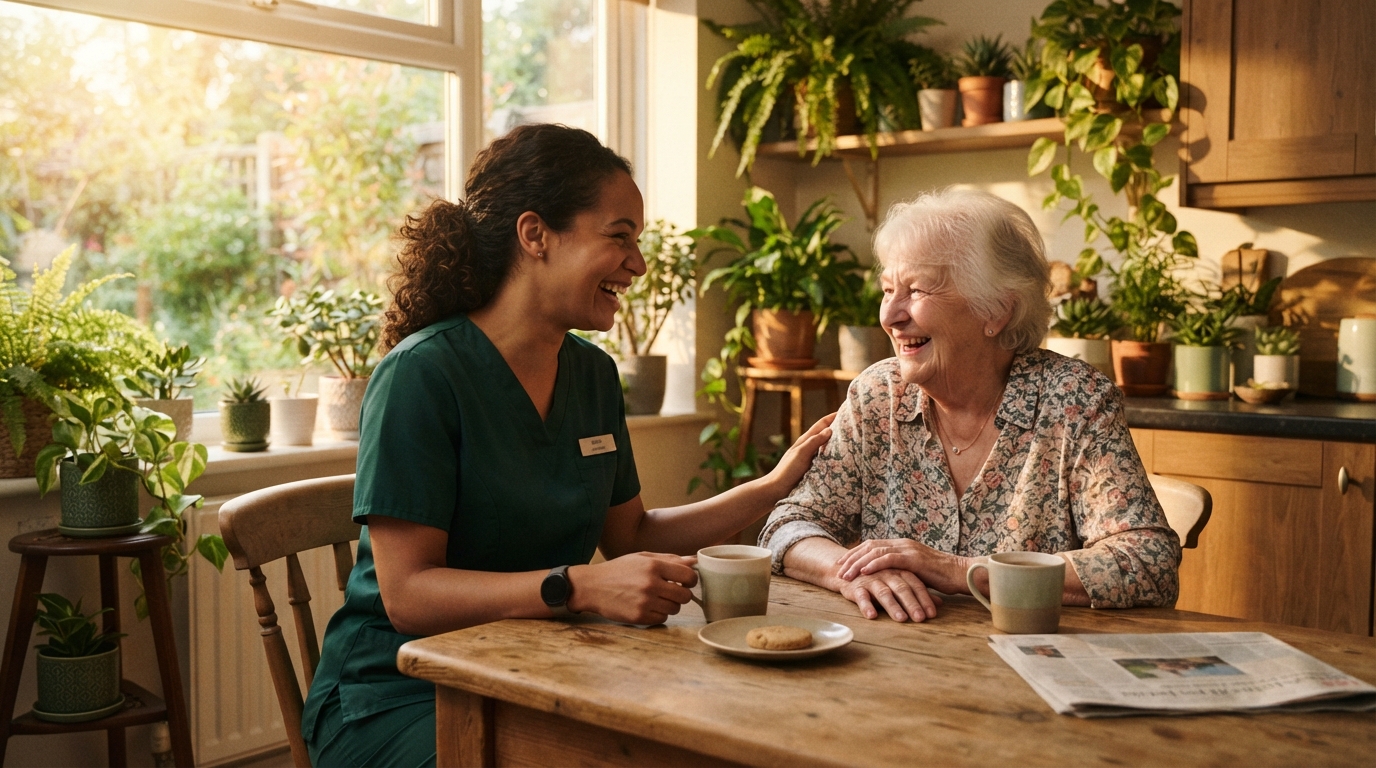
Companion care focuses on emotional and social support rather than hands-on medical or personal care. A companion caregiver visits regularly to talk, share meals, play games, go for walks, or simply keep a senior company throughout the day. It’s often the perfect starting point for families whose loved one is mostly independent but could use more connection and light support.
The Real Impact of Loneliness on Seniors
Loneliness isn’t just an emotional issue. Studies have shown that chronic isolation can be as harmful to health as smoking or obesity. Seniors who spend most of their time alone are more likely to experience depression, anxiety, memory decline, and even a weakened immune system.
Companion care directly addresses this by building consistent, friendly interaction into a senior’s weekly routine, something that can be just as important as any medication or treatment plan.
How Companion Care Improves Daily Life
Meaningful Conversation and Connection
Sometimes the most valuable part of a caregiver’s visit is simply sitting down and talking. Sharing stories, discussing the news, or reminiscing about family memories gives seniors a sense of being heard and valued.

Encouraging Hobbies and Activities
A companion caregiver can encourage and join in on favorite hobbies, whether that’s gardening, puzzles, crafts, or a favorite card game. Staying engaged in enjoyable activities supports mental sharpness and gives each day a sense of purpose.
Celebrating Life’s Moments
Birthdays, holidays, and small daily wins matter. Companion caregivers help make sure these moments don’t go unnoticed, whether that means baking a cake together or simply celebrating a good doctor’s visit.

Light Housekeeping and Errands
Companion care often includes light tasks like tidying up, laundry, and running errands. This support helps reduce daily stress while giving caregivers natural opportunities to check in on a senior’s overall well-being.
Personal Grooming Support
For seniors who want to look and feel their best, a companion caregiver can help with small grooming tasks like combing hair or getting ready for a family visit, adding a comforting, personal touch to daily routines.

Companion Care vs. Personal Care: What’s the Difference?
Companion care focuses on social interaction, light support, and safety supervision, while personal care includes hands-on help with bathing, dressing, and mobility. Many families start with companion care and add personal care services later as needs increase. The two can also be combined into one flexible care plan.
Signs Your Loved One Could Benefit from Companion Care
- Spending most days alone with little social contact
- Losing interest in hobbies they used to enjoy
- Seeming down, anxious, or withdrawn
- Living far from family members
- Recently lost a spouse or close friend
If any of these sound familiar, companion care could make a meaningful difference in your loved one’s day-to-day happiness. Families across the Detroit Metro Area, Oakland, Wayne, Macomb, Kent, and Jackson counties trust Pure Home Care Solutions to provide warm, dependable companionship.
How Companion Care Supports Family Members Too
Companion care doesn’t just benefit the senior receiving it. Adult children and other family members often carry quiet guilt about not being able to visit as often as they’d like, especially when they live far away or juggle demanding jobs and their own families. Knowing that a trusted companion caregiver is checking in regularly brings real peace of mind.
Families also gain a helpful set of eyes on changes in mood, appetite, or behavior that might otherwise go unnoticed between visits. A consistent companion caregiver can flag small concerns early, before they become bigger health issues, and communicate them directly to the family.
Getting Started With Companion Care
Starting companion care is usually simple. A care coordinator will meet with your family to learn about your loved one’s personality, interests, and daily routine, then match them with a caregiver who fits well. Many families begin with just a few hours a week and adjust the schedule over time as trust builds and needs change.
There’s no need to wait for a crisis to consider companion care. In fact, starting early, while your loved one is still relatively independent, often leads to the smoothest transition and the strongest caregiver relationships.
A Small Investment With a Meaningful Return
Compared to other forms of care, companion care is often one of the more affordable ways to support an aging loved one, while delivering some of the most noticeable improvements in day-to-day mood and outlook. For many families, it’s the first step on a longer care journey, and often the one that makes the biggest emotional difference.
What Families Often Notice After Starting Companion Care
Many families are pleasantly surprised by how quickly their loved one’s mood and energy improve after just a few weeks of regular companion visits. A parent who seemed withdrawn may start talking more at family dinners. A grandmother who had stopped gardening might be back outside, sharing the activity with her caregiver. These small, everyday changes often matter just as much as any medical improvement.
It’s also common for family members to feel a shift in their own relationship with their loved one. When a companion caregiver handles some of the day-to-day support and conversation, family visits can become less about checking tasks off a list and more about simply enjoying time together again.
Understanding Senior Loneliness in Michigan Winters
Senior loneliness often gets worse during Michigan’s long, cold winters, when icy sidewalks and short daylight hours make it harder for older adults to get out and see friends. Families providing home care Michigan services know that the months between November and March can be especially isolating for seniors who once relied on driving themselves to church, the grocery store, or a neighbor’s house.
Companion care helps bridge this seasonal gap, bringing consistent, friendly visits right to the door regardless of the weather outside, so isolation doesn’t have a chance to take hold during the darker months of the year.
Elderly Companionship as Preventive Health Care
It’s easy to think of elderly companionship as simply a nice-to-have, but growing research treats social connection as a genuine health intervention. Regular companionship is linked to lower rates of depression, better cognitive function, and even improved cardiovascular health in older adults. In this sense, companion care isn’t just about improving quality of life emotionally, it’s a meaningful part of a senior’s overall health strategy, working alongside medical care rather than separate from it.
Frequently Asked Questions
Is companion care only for seniors who live alone?
No. Even seniors who live with family can benefit from companion care, especially if family members work during the day or live nearby but not in the same home.
How often should a companion caregiver visit?
This depends on your loved one’s needs and preferences. Some families start with a few hours, a few days a week, while others prefer daily visits. Schedules can always be adjusted.
Can companion care help with mild memory issues?
Yes. Regular routine, conversation, and engagement can help support memory and cognitive health, though families dealing with more advanced memory conditions may also want to discuss specialized care options.
Does companion care include help with meals?
Yes, companion caregivers often help with meal preparation and eating together, which supports both nutrition and social connection.
How do I know if my parent would enjoy having a companion caregiver?
Most seniors adjust quickly once they realize a companion caregiver is there to share time and support them, not take away their independence. A trial visit is a great way to see how it feels.
Get Compassionate In-Home Care Today
At Pure Home Care Solutions, our motto is simple: Bringing Pure Comfort Home. Our caring, trained caregivers are ready to help your family create a safer, healthier, and happier daily life for your aging loved one.
Email: info@purehomecaresolutions.com
Service areas: Detroit Metro Area | Oakland | Wayne | Macomb | Kent | Jackson
Address: 2838 East Long Lake Rd Suite 246, Troy, MI 48085
The checklist at the end was so helpful — we were about to sign with an agency that couldn’t even answer our questions about caregiver screening. Glad we read this first.